
Waking up with a painful, tingling hand that just won't settle down? This classic "shake-it-out" moment could be Carpal Tunnel Syndrome disrupting your sleep cycle. In this post, we explore the main causes of this nighttime misery, key symptoms to watch for, and simple relief strategies to help you finally get a restful night.
Why Carpal Tunnel Symptoms Often Worsen at Night
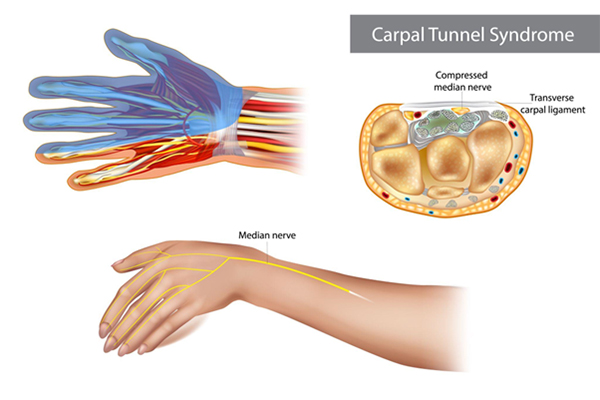
Carpal tunnel syndrome occurs when the median nerve becomes compressed as it passes through the narrow carpal tunnel in the wrist. During the day, hand and wrist movements keep blood flow and pressure relatively balanced. At night, however, the wrist often bends naturally during sleep, creating additional pressure inside the tunnel. This increases nerve irritation, leading to nighttime tingling, numbness, or burning sensations that can wake you from sleep.
Fluid shifts during rest can also contribute. When the body lies flat, subtle swelling around the wrist may increase pressure on the median nerve, intensifying symptoms even if daytime discomfort is mild.
Common Signs Your Nighttime Symptoms Are Carpal Tunnel Syndrome
Carpal tunnel symptoms typically affect the thumb, index, middle, and half of the ring finger, areas directly supplied by the median nerve. People often report:
- Tingling or “pins and needles” in the fingers
- Numbness that worsens when the wrist is bent
- A burning sensation that radiates up the forearm
- Difficulty gripping or holding objects
- The need to “shake out” the hand upon waking
Because symptoms can mimic other conditions, such as cervical nerve compression, tendon inflammation, or arthritis, a proper diagnosis from a hand specialist is essential.
Who Is at Higher Risk for Nighttime Carpal Tunnel Symptoms?
Repetitive hand and wrist activities increase the risk of median nerve compression. This includes office work, typing, assembly-line tasks, driving, and frequent use of handheld devices. Medical factors also play a role: pregnancy, diabetes, thyroid disorders, and fluid retention can contribute to swelling around the nerve. Even small variations in wrist anatomy can make some people more susceptible.
Practical Ways to Reduce Nighttime Carpal Tunnel Pain
Several non-surgical strategies can help reduce nighttime symptoms:
- Wrist splinting: Keeping the wrist in a neutral position during sleep often provides immediate relief.
- Activity modification: Adjusting hand and wrist posture during the day reduces cumulative strain.
- Stretching and nerve gliding: Gentle mobility exercises improve nerve movement and decrease irritation.
- Anti-inflammatory strategies: Ice, rest, and guided therapy may reduce swelling around the tunnel.
If symptoms persist despite conservative care, treatments such as corticosteroid injections or minimally invasive carpal tunnel release may be recommended.
Ignoring nighttime symptoms can lead to worsening nerve compression and long-term weakness. An orthopedic surgeon specializing in hand, wrist, and elbow conditions can help determine the true cause of your symptoms and recommend effective, personalized care. If your sleep is increasingly affected, book an appointment with our office for a thorough evaluation.
AUTHOR: Xavier Simcock, MD, is a board-certified, fellowship-trained orthopedic surgeon specializing in hand, wrist, and shoulder surgery at Midwest Orthopaedics at Rush. A graduate of Columbia and the Harvard Orthopedic Residency, he has authored scientific publications and teaching materials, completed dual ASSH fellowships, and is recognized for his commitment to clinical excellence, research, and surgical innovation.