
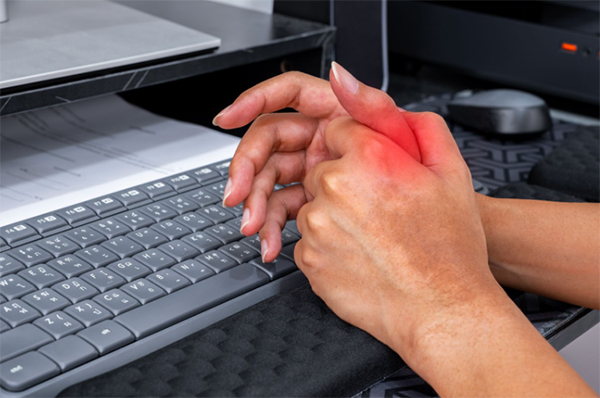
That sharp pinch when turning a key or the dull ache after scrolling on your phone might feel like simple overuse, but it could also signal something deeper. Basal joint arthritis affects the pivot point at the base of your thumb, yet many ignore the warning signs until daily tasks become grueling. Let’s look at some early warning signs of thumb arthritis and treatment options that can restore comfort and hand function.
The Warning Signs: It’s More Than Just a Cramp
The base of the thumb, known as the carpometacarpal (CMC) joint, is the most common site for osteoarthritis in the hand. Because this joint allows for a wide range of motion, early wear and tear can manifest in ways that are easy to dismiss.
- The "L" Shape Ache: You may notice a deep, nagging ache at the very bottom of your thumb, near the wrist, particularly after gripping heavy objects or pinching small items.
- Loss of Pinch Strength: If you find yourself struggling to open a new jar of pickles or feeling weak when buttoning a shirt, your joint may be losing the structural integrity needed for force.
- Weather Sensitivity: Like many arthritic joints, the CMC joint often reacts to changes in barometric pressure, leading to increased stiffness on cold or rainy days.
- The Visible "Bump": As the cartilage wears down, the bones may shift, creating a bony prominence or an enlarged appearance at the base of the thumb.
Early Treatment: Preserving Motion Without Surgery
The good news is that a diagnosis of thumb arthritis does not immediately lead to the operating room. When caught in the early stages, we can manage symptoms and slow progression through several conservative methods:
- Activity Modification: Identifying and changing the way you use your hands can significantly reduce joint stress. For example, using "fat" pens or ergonomic kitchen tools reduces the intensity of the pinch.
- Custom Splinting: A specialized brace, often called a thumb spica splint, supports the joint during activity or rest, allowing the inflammation to subside.
- Therapeutic Injections: Corticosteroid injections can provide temporary targeted relief by reducing internal swelling and inflammation.
- Hand Therapy: Working with a certified hand therapist can strengthen the surrounding muscles, which helps "unload" the pressure on the damaged cartilage.
When conservative measures no longer provide adequate relief, surgical treatment may be considered and most commonly consists of “thumb carpometacarpal arthroplasty” which includes removal of the arthritic trapezium bone followed by supporting ligament reconstruction. This surgery is one of the most outstanding in all of hans surgery, with in most cases dramatic pain relief, outstanding flexibility/range of motion, and long durability.
When to Consult an Upper Extremity Specialist
Ignoring thumb pain can lead to permanent joint deformity and a significant loss of hand function. An orthopedic surgeon specializing in the upper extremity can provide a tailored plan that restores your ability to perform the hobbies and tasks you love.
If you have noticed pain that negatively affects your daily life or functionally significant weakness, book an appointment at our clinic to receive a comprehensive evaluation and a personalized roadmap for your recovery.
AUTHOR: Robert Wysocki, MD, is a board-certified orthopedic surgeon specializing in hand, wrist, and elbow conditions, with expertise in microsurgical reconstruction. Fellowship-trained at Duke, he is also a respected researcher focused on tendinopathy. Dr. Wysocki is dedicated to advancing care and improving outcomes through innovation, leadership, and compassionate treatment.