
The crack of a professional baseball bat often brings to mind the high-stakes world of Major League pitching and the dreaded elbow pop. However, Ulnar Collateral Ligament (UCL) injuries are no longer exclusive to the mound; they are increasingly affecting athletes and workers across various disciplines. Let’s explore how this injury impacts lives.
The Role of the Ulnar Collateral Ligament in Arm Stability
The Ulnar Collateral Ligament is a critical band of tissue located on the inner side of the elbow. Its primary job is to provide stability against valgus stress, which is the force generated when the arm is whipped forward or pushed outward. While a pitcher’s delivery is the most famous example of this stress, any repetitive, high-velocity overhead motion can cause the ligament to stretch, fray, or eventually rupture.
Common Sports for Tommy John Surgery That Aren't Baseball
While baseball players make up the majority of Tommy John surgeries, several other sports place immense strain on the medial elbow:
- Javelin Throwers: The mechanics of a javelin toss mimic the extreme torque of a pitch, often leading to chronic UCL attenuation.
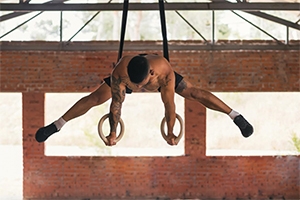
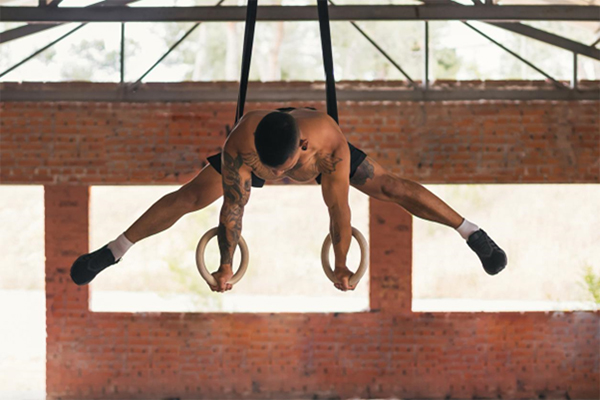
- Gymnasts and Cheerleaders: These athletes use their arms as weight-bearing limbs. Impact landings and "tumbling" put repetitive pressure on the elbow joints that can compromise the ligament.
- Wrestlers and Martial Artists: Acute UCL tears often occur during a fall onto an outstretched hand or when an opponent applies leverage to the arm during a takedown.
- Tennis Players: A high-velocity serve, particularly one with heavy "kick" or spin, requires significant elbow stabilization.
Occupational Hazards: Can Work Cause a UCL Tear?
It isn't always about sports. Manual laborers, mechanics, and construction workers who perform heavy lifting or repetitive pulling motions can experience "wear and tear" on the UCL. When the ligament becomes chronically inflamed, it can lead to cubital tunnel syndrome or secondary hand numbness, making precise grip and wrist movement difficult. As an orthopedic surgeon focusing on the hand and wrist, I often see how elbow instability manifests as a loss of fine motor control in the fingers.
The Warning Signs: When to Seek a Specialist
Tommy John surgery is a major reconstructive step, but early diagnosis can sometimes allow for non-surgical "joint preservation" techniques like specialized therapy to strengthen muscles that protect the ligament. You should seek a consultation if you notice:
- A sudden "pop" followed by intense pain on the inner elbow.
- Inability to "open up" the arm or reach full velocity when throwing.
- Numbness or tingling in the ring and pinky fingers.
- Pain that persists during daily activities like lifting a grocery bag.
Restoring Function and Precision
The goal of UCL reconstruction isn't just to get an athlete back to the pros; it’s about restoring the mechanical link between the shoulder and the hand. By using a tendon graft to “stabilize” the elbow, we provide the foundation necessary for the hand and wrist to perform their intricate tasks without pain.
Whether you are a competitive athlete or a dedicated professional, your elbow’s stability is the foundation for your hand and wrist's precision. By addressing UCL instability early, you can preserve your joint health and get back to the activities you love with confidence and power.
Frequently Asked Questions
1. How do I know if I tore my UCL or just have a golfer’s elbow?
Golfer’s elbow (medial epicondylitis) is typically an inflammation of the tendons caused by overuse, resulting in soreness in the same area as the ligament. An UCL tear often involves a distinct "pop," instability, or a sharp pain that prevents you from throwing or lifting. If you experience numbness in your ring and pinky fingers, it likely involves the ligament or nerve. A careful physical examination, and advanced imaging when indicated can differentiate the two conditions.
2. Can a UCL tear heal without Tommy John surgery?
Yes, not every tear requires reconstruction. Partial tears or minor sprains can often be treated with hand and wrist therapy and activity modification. However, complete ruptures in active individuals or those with manual jobs usually require surgery to restore full stability.
3. What is the success rate for Tommy John surgery in non-pitchers?
While the "return to play" timeline for a professional pitcher is quite long, non-overhead athletes and manual laborers often experience a faster return to daily functional activities because they aren't putting the same extreme "velocity stress" on the graft.
4. Will I lose range of motion in my wrist or hand after elbow surgery?
The goal of UCL reconstruction is actually to improve distal function. By stabilizing the elbow, we reduce the secondary strain on the forearm muscles and nerves. Most patients regain full wrist and hand dexterity, which is why this procedure is so vital for professionals who rely on fine motor skills.
5. How long is the recovery period for a non-athlete?
While a pitcher may take 12 months to return to the mound, a non-athlete can typically return to light duty work within 6 to 12 weeks. Full weight-bearing and heavy lifting are usually cleared around the 6-month mark, depending on the individual's healing progress and the physical demands of their job.
Reference Links:
- Tommy John Surgery (Ulnar Collateral Ligament Reconstruction) - Johns Hopkins Medicine
- Tommy John Surgery (UCL Surgery) - Cleveland Clinic
AUTHOR: Mark Cohen, MD – Orthopedic Hand, Wrist & Elbow Surgeon
Mark Cohen, MD is a board certified, fellowship trained distinguished orthopedic surgeon specializing in hand, wrist, elbow, and upper extremity surgery at Midwest Orthopaedics at Rush, with additional expertise in microvascular and reconstructive procedures. He is based in Chicago and has led the Orthopaedic Hand and Elbow Section at Rush University for more than three decades while also serving as Director of Orthopaedic Education in the department.
Credentials & Recognition
Dr. Cohen earned his undergraduate degree from Stanford University. and his medical degree from Harvard Medical School, graduating Magna Cum Laude. He completed his orthopedic surgery residency at the University of California, followed by an advanced fellowship in hand, upper extremity, and microvascular surgery at the Indiana Hand Center, one of the nation's leading hand surgery training programs.
Dr. Cohen has been recognized numerous times as one of Chicago's "Top Doctors" in Hand and Orthopaedic Surgery by Chicago Magazine including in 2025 and in multiple prior editions since 1997. U.S. News & World Report ranks him among the top 1% of physicians nationwide in his specialty, and he has been named a Castle Connolly Top Doctor — a distinction awarded to less than 7% of physicians across the country. In 2017, he received the Excellence in Clinical Service Award from Rush University for his outstanding contributions to patient care, leadership, and scholarship.
Clinical Expertise
Dr. Cohen’s clinical and research interests focus on fractures and reconstruction of the hand, wrist, and elbow, minimally invasive upper extremity surgery, and complex elbow conditions, including Tommy John surgery for throwing athletes and other sports-related injuries. A prolific academic contributor, he has authored more than 163 peer-reviewed medical articles, 63 book chapters, and a textbook on hand and wrist injuries. He also serves as an editor for Green’s Operative Hand Surgery, the leading textbook in the field.
Dr. Cohen has participated in over 334 continuing medical education courses and has served as Course Chairman 51 times. In addition to his academic leadership, he is a team physician and consultant for the Chicago White Sox and the Chicago Bulls, providing expert care for elite athletes.
Medical Disclaimer: This information is for educational purposes only and does not constitute medical advice. For diagnosis and treatment recommendations, please consult with Dr. Cohen or another qualified orthopedic specialist.