

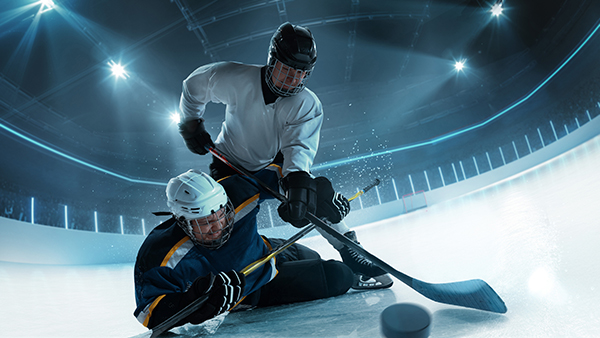
Hockey is all about power, precision, and grit — but those quick shots, hard checks, and fast transitions can take a real toll on the elbows. Many players brush off the early aches, not realizing they’re signaling a growing problem often called “Hockey Elbow.” This overuse injury, commonly linked to bursitis and repetitive strain, can creep up fast and sideline even the toughest athletes if ignored.
Here’s what every player, parent, and coach should understand to keep elbows healthy all season long.
What Is “Hockey Elbow”?
“Hockey Elbow” is an informal term used to describe inflammation or irritation in the elbow joint caused by repetitive motion or impact, most commonly olecranon bursitis. The olecranon bursa is a small sac at the tip of the elbow that helps reduce friction between bone and skin. When it becomes inflamed from constant falls, stick handling, or repetitive shooting motions, it causes noticeable swelling and tenderness.
The Role of Overuse and Impact in Elbow Bursitis
Hockey players frequently extend and flex their elbows during shooting, passing, and checking. Over time, these actions can create microtrauma in the surrounding soft tissues. Combined with friction from protective gear or direct blows during play, the bursa can swell, fill with fluid, and become painful.
Common factors include:
- Repetitive impact from frequent falls or checks against the boards
- Continuous stick handling and shooting drills
- Improper padding or tight elbow guards
- Previous elbow injuries that weaken the soft tissue
Recognizing the Symptoms of Hockey Elbow Early
Early signs of “Hockey Elbow” are often subtle but can progress quickly if ignored. Players may notice:
- Swelling or a noticeable lump at the back of the elbow
- Tenderness or warmth around the joint
- Discomfort when bending or leaning on the elbow
- Reduced range of motion after intense activity
While these symptoms might seem manageable at first, continued stress without rest or treatment can lead to chronic bursitis or even infection (septic bursitis), which may require surgical drainage.
From Ice to Recovery: Treating Hockey Elbow Safely
An orthopaedic evaluation is essential for accurate diagnosis. Your surgeon may recommend physical examination, imaging tests (like ultrasound or MRI), or fluid aspiration to confirm bursitis and rule out other issues such as tendon injuries or fractures.
Treatment often begins conservatively with:
- Rest and activity modification
- A compressive sleeve
- Ice therapy and anti-inflammatory medication
- Protective padding or bracing
- Physical therapy to restore strength and flexibility
In cases where the bursa remains inflamed or infected, minimally invasive surgery may be necessary to remove the affected tissue or drain excess fluid, allowing for quicker recovery and return to play.
Tips to Prevent Elbow Injuries on the Ice
- Wear properly fitted gear: Ensure elbow pads protect without restricting movement or causing pressure.
- Strengthen support muscles: Build forearm and shoulder strength to reduce elbow strain.
- Warm up before play: Stretch and mobilize joints to prevent stiffness and injury.
- Rest between games: Avoid overuse by scheduling recovery time.
- Watch for early signs: Seek professional care if swelling or pain develops.
If elbow pain or symptoms persist or worsen, don’t wait for them to impact your performance. Consult a specialist experienced in complex elbow conditions. To learn more about advanced treatment options, book an appointment with The Hand, Wrist & Elbow Institute today.