
Our hands power nearly every daily task, so recovery after surgery deserves careful planning. The postoperative period is structured, progressive, and essential to restoring motion and strength. From splinting and swelling management to hand therapy and functional milestones, here is a clear breakdown of what patients can expect after hand or wrist surgery.
The Role of Minimally Invasive Hand and Wrist Surgery
Advances in orthopedic techniques now allow many procedures to be performed through smaller incisions using specialized instruments and cameras (arthroscopy or limited-incision approaches). Common examples include:
- Carpal tunnel release
- Wrist arthroscopy
The Initial Healing Phase: Protecting the Repair
The first few days after hand or wrist surgery are focused entirely on protection and inflammation management. Because the hand has very little "extra" space for swelling, keeping the surgical site elevated above the level of your elbow is critical.
You will likely leave the center in a dressing or splint. This immobilization is intentional; it prevents accidental tension on delicate sutures, tendons, or nerves. During this time, managing discomfort with prescribed protocols and keeping the bandages dry are your primary responsibilities. Small movements in your unaffected fingers may be encouraged to maintain circulation, provided your surgeon has cleared those specific motions.
The Role of Specialized Hand Therapy
Recovery in orthopedic hand care is rarely a passive process. Hand therapy, a specialized branch of occupational therapy, is often the most influential factor in your ultimate outcome.
- Edema Management: Therapists use compression wraps and specific massage techniques to reduce swelling.
- Scar Tissue Mobilization: Once the incision has closed, therapy helps ensure scar tissue remains supple and does not "tether" to underlying tendons.
- Custom Splinting: As you progress, your surgeon might request a dynamic splint that allows for protected movement while still guarding the repair.
Gradual Milestones: From Motion to Strength
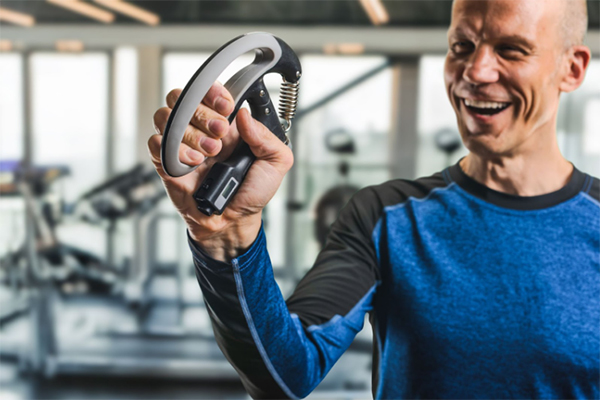
Restoring hand function follows a strict hierarchy: range of motion first, strength second. Rushing into heavy lifting or forceful gripping too early can jeopardize the structural integrity of the surgery.
Typically, range of motion is the primary focus initially. Strengthening usually begins only after the bone or soft tissue has reached a specific biological healing threshold. Everyday tasks, like buttoning a shirt or using a fork, serve as the initial benchmarks for success before you return to more strenuous gym activities or manual labor.
Long-Term Outcomes and Realistic Timelines
Nerves and tendons heal at their own pace, often measured in millimeters per day. While the most significant gains in dexterity usually occur within the first three months, subtle improvements in strength and sensation can continue for up to a year. Consistency with your home exercise program is the most effective way to ensure that the technical success of the surgery translates into real-world utility.
Frequently Asked Questions About Hand and Wrist Surgery Recovery
How long will I need to wear a splint or cast?
The duration depends on the specific procedure and tissue involved. Some patients wear a protective splint for a few weeks, while tendon or fracture repairs may require longer immobilization. Your surgeon will adjust protection based on healing progress.
When can I start moving my fingers or wrist?
Controlled motion often begins earlier than many patients expect, but it must follow a precise timeline.
Is swelling normal after hand surgery?
Yes. Swelling is common because the hand has limited space for inflammation. Elevation, compression, and guided exercises help manage edema and prevent stiffness during early recovery.
How important is hand therapy?
Hand therapy is frequently one of the most critical factors in achieving optimal results. A certified therapist helps restore motion, minimize scar adhesions, and safely progress strengthening while protecting the surgical repair.
When can I return to work or daily activities?
Return to activity depends on your job demands and the type of surgery performed. Light desk work may resume within a few weeks, while manual labor or repetitive gripping tasks often require additional time and rehabilitation clearance.
Will I regain full strength and motion?
Most patients experience significant improvement when they follow postoperative instructions and complete their therapy program. Mild stiffness or temporary sensitivity may persist, but steady gains typically continue for several months.
What signs should prompt me to contact my surgeon?
Increasing redness, warmth, drainage, severe swelling, persistent numbness, or unexpected loss of motion should be evaluated promptly. Early intervention helps prevent complications.
How long does full recovery take?
While early healing occurs within weeks, complete recovery, especially for nerve or tendon procedures, can take several months. Subtle improvements in strength and coordination may continue for up to a year. Consistency with your home exercise plan plays a key role in long-term success.
Hear From Our Patients
Selecting the right surgeon for hand, wrist, and elbow care is an important decision, particularly when your daily function and livelihood depend on upper-extremity strength and precision. Hearing from individuals who have undergone specialized surgical treatment and rehabilitation can provide valuable insight. To learn more about our focused, patient-centered approach to restoring motion, stability, and long-term function, explore our patient testimonials.
Reference Links:
AUTHOR: Nitin Goyal, MD – Fellowship-Trained Orthopedic Hand & Upper Extremity Surgeon
Nitin Goyal, MD is a fellowship-trained orthopedic surgeon specializing in the care of the hand and upper extremity, including conditions affecting the hand, wrist, and elbow. He is dedicated to empowering patients through education so they can make informed treatment decisions that support a safe and efficient return to daily activities, hobbies, and work. Dr. Goyal offers a full spectrum of care, including observation, occupational therapy, bracing, injections, and surgical intervention, with an emphasis on selecting the least invasive option that provides the most reliable outcome. He proudly serves the Chicagoland community.
Credentials & Recognition
Dr. Goyal graduated Summa Cum Laude in Economics from Northwestern University and was inducted into the Phi Beta Kappa Honors Society. He earned his medical degree Cum Laude from Northwestern University Feinberg School of Medicine. He completed his orthopedic surgery residency at Rush University Medical Center, where he received the Surgical Specialty Intern of the Year Award and was selected to attend the AOA Resident Leadership Forum. During residency, he was also honored with the Chief Resident Award for the Best Research Presentation.
Following residency, Dr. Goyal completed advanced fellowship training in hand and upper extremity surgery at the University of Pittsburgh Medical Center, refining his expertise in complex conditions of the hand, wrist, and elbow.
Clinical Expertise
Dr. Goyal specializes in the diagnosis and treatment of upper extremity conditions, including fractures, tendon and ligament injuries, nerve compression syndromes, arthritis, and sports-related injuries. His approach integrates precise surgical technique with structured rehabilitation to restore strength, dexterity, and long-term function.
Committed to advancing the field of orthopedics, Dr. Goyal has authored numerous peer-reviewed publications and book chapters and has presented his research at national and international meetings. He is deeply committed to delivering thoughtful, patient-centered care with sincerity and integrity.
Medical Disclaimer: This information is for educational purposes only and does not constitute medical advice. For diagnosis and treatment recommendations, please consult with Dr. Goyal or another qualified orthopedic specialist.
Content authored by Dr. Nitin Goyal and verified against official sources.